Pepper spray, a personal alarm or another safety device may provide an additional option during an emergency.
Buying it is only the first step.
Ask whether you can reach it
A product cannot help if it is:
- at the bottom of a handbag;
- left at home;
- locked in a vehicle;
- difficult to open;
- attached to something you cannot release; or
- stored differently every time you carry it.
Accessibility should not create a new risk of accidental activation or access by a child.
Know how it works
Read the instructions and check:
- how it is activated;
- whether it requires a battery;
- whether it has an expiry date;
- its effective range;
- its safety mechanism;
- how it should be stored; and
- what to do after accidental exposure or activation.
Use appropriate training equipment rather than activating a live product unnecessarily.
Understand what it cannot do
A product may fail, be taken from you, affect you as well as the attacker or be impossible to use in the circumstances.
An alarm may not bring help. Pepper spray may be affected by wind or confined spaces. A striking device requires close contact and may be difficult to use under pressure.
No product guarantees that an attacker will stop.
Build the rest of the plan
A stronger safety plan may also include:
- local private security contacts;
- a community safety network;
- trusted people who know how to respond;
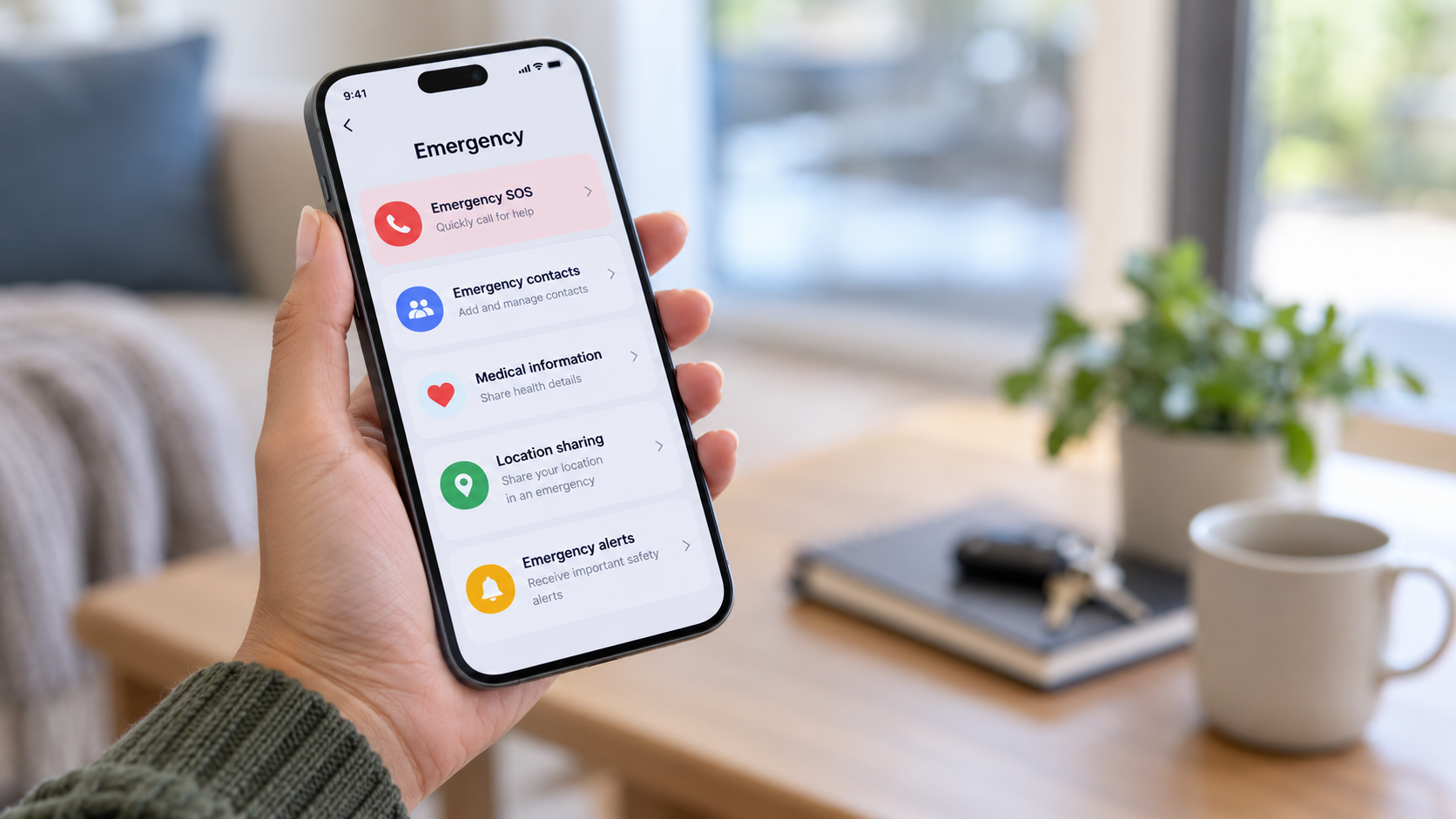
- phone emergency features;
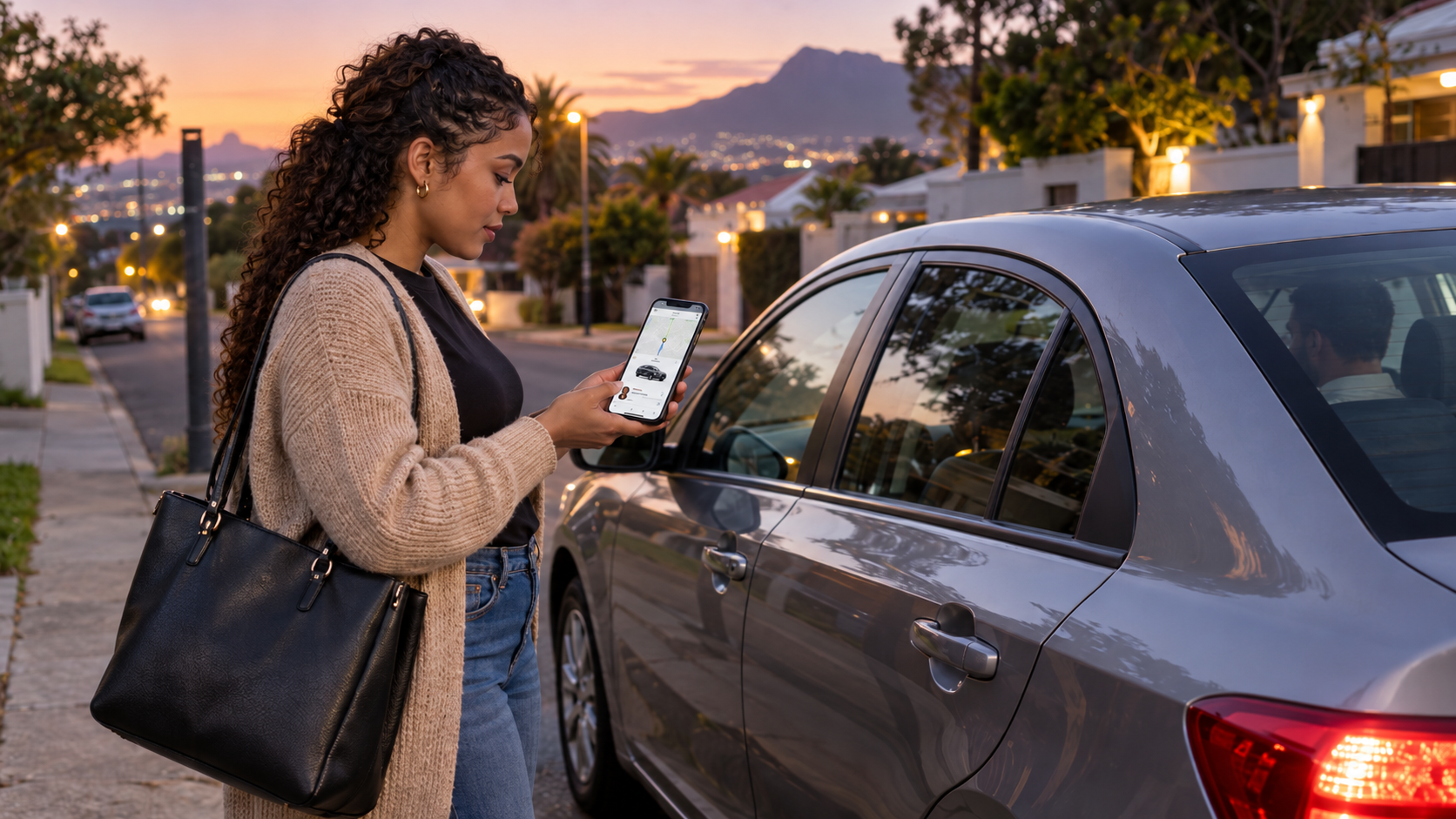
- a check-in arrangement;
- accessible medical assistance; and
- knowledge of where to move towards help.
Choose products only after considering their legality, quality, limitations and suitability for you.
The value of a safety product lies in the option it may provide. It should never be sold as certainty.