Action Society reiterates its call for the urgent localisation of policing powers in the Western Cape following the Minister of Police’s public concession that the South African Police Service is not equipped to end gang violence.
The Constitution already provides scope for provincial and municipal involvement in policing, but political will is required to activate it. Empowering local decision-makers would allow for faster deployments, stronger intelligence coordination, and accountability rooted in the communities most affected by organised criminal violence.
“The Minister’s admission confirms what communities on the Cape Flats have been living with for years,” said Kaylynn Palm, Head of the Action Society Action Centre in the Western Cape. “A centralised policing system has left people exposed to sustained gang violence while decisions are made far removed from the crisis. This cannot continue.”
The Minister’s acknowledgment must be the beginning of reform, not a justification for continued inaction. Simply increasing weapons or resources within the same centralised system will not resolve the crisis. Without devolving policing authority and enabling localised command and accountability, additional resources risk being absorbed into a structure that has already proven unable to protect communities.
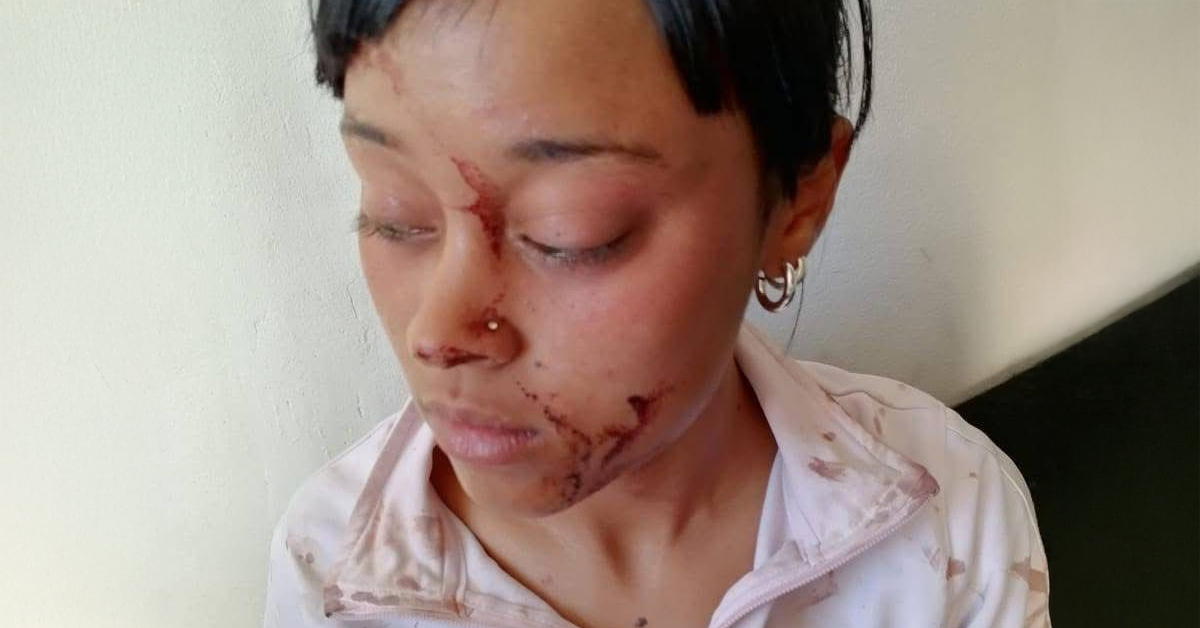
Since the start of January, the Western Cape has experienced a sharp escalation in gang-related violence that has left dozens dead and many more wounded. Between 29 December 2025 and 11 January 2026 alone, at least 58 people were killed and a further 60 people were wounded in gang-related shootings on the Cape Flats. In the days that followed, additional mass and targeted shootings brought the January death toll significantly higher, including an eight-person mass shooting in Philippi East on 17 January. Children are among the victims.
“This is not a failure of individual police officers,” Palm said. “It is a failure of structure, authority, and political will. Gang violence in the Western Cape cannot be fought from Pretoria. Decisions must be made here, by those who understand the terrain, the communities, and the urgency of what is unfolding.”
Action Society has repeatedly warned that gang violence in the Western Cape cannot be effectively addressed through short-term deployments and reactive operations. The crisis requires rapid, intelligence-led responses, continuous visible policing, and sustained presence in high-risk areas.
Residents in gang-affected communities continue to face a shortage of boots on the ground, weak investigative follow-through, and an absence of consistent policing visibility. These failures are compounded by the inability of local authorities to fully integrate municipal policing, LEAP officers, neighbourhood watches, and private security into coordinated operations under local command.
“Every delay in restructuring how policing is governed costs lives,” Palm said. “Communities cannot continue to pay the price for a system that has failed them.”
Action Society will continue to advocate for a decentralised, community-focused policing model that prioritises safety, accountability, and meaningful consequences for organised criminal violence.
Soundbite: