An emergency plan should answer one question: What must the people I trust do when I cannot explain what is happening?
Choose your people
Select two or three people who are likely to answer and can act. They may need to:
- contact private security;
- alert your local community safety network;
- call emergency services;
- collect a child;
- meet you at a safe place; or
- notify another family member.
Make sure they agree to this role.
Choose a code word
Use a word or short phrase that would sound natural in a call or message but is not part of your normal conversation.
Decide exactly what it means. It might mean:
- call me immediately;
- contact security;
- call the police;
- collect the children; or
- come to our agreed meeting place.
A code word is only useful when everyone understands the required response.
If a partner or another person monitors your phone, consider carefully whether storing the plan or code word on the device could place you at greater risk.
Identify local responders
Your plan should include the current details for:
- your private security control room;
- your local policing forum or neighbourhood watch;
- your nearest police station;
- a private ambulance provider;
- your medical aid emergency service; and
- trusted neighbours.
Do not allow the plan to depend on one person or number.
Practise the practical parts
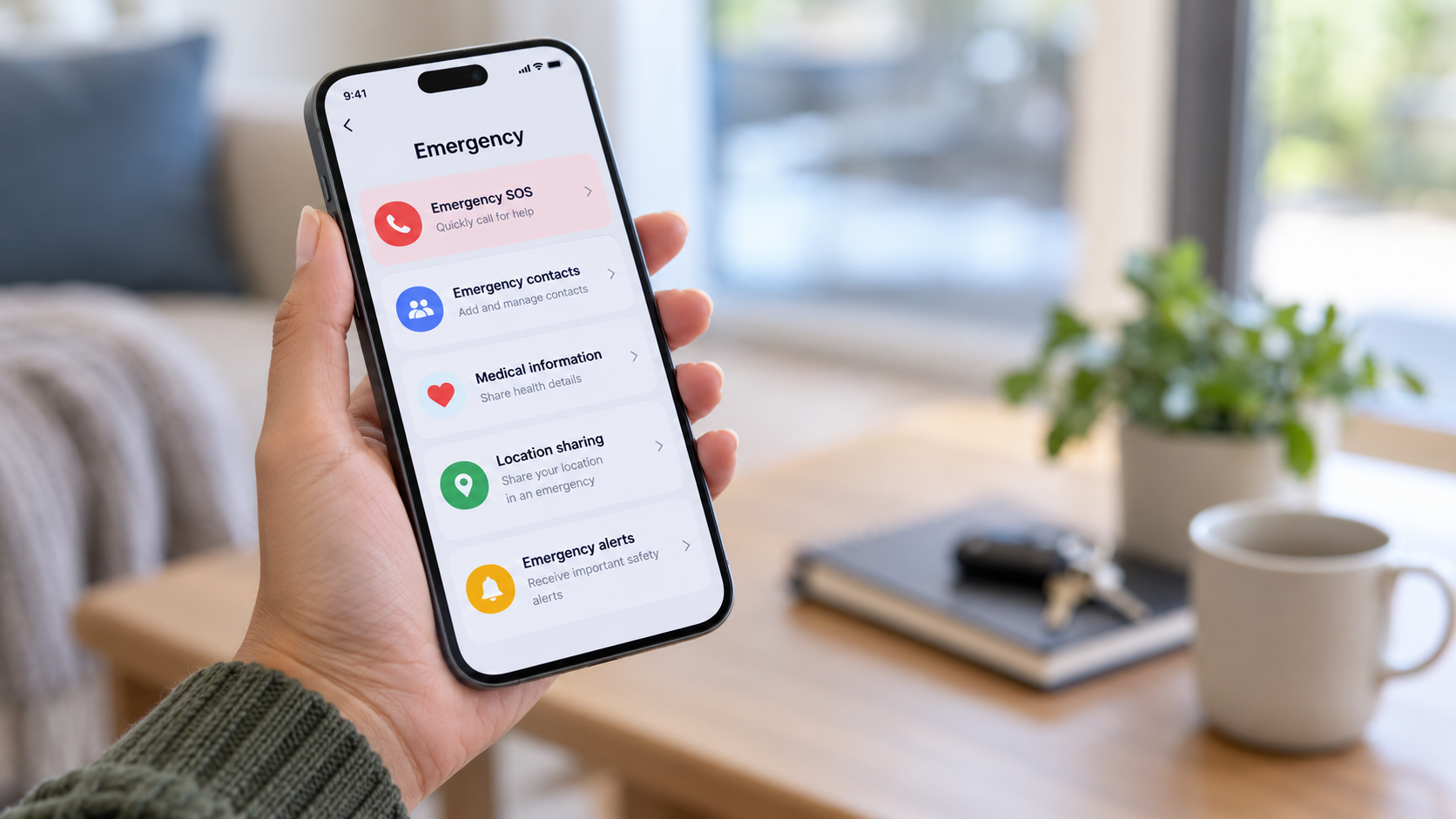
- Show family members how to use panic buttons and emergency phone features.
- Make sure children know their address and who they may contact.
The plan should be simple enough to follow under pressure and reviewed whenever contact details or circumstances change.