Action Society says the latest quarterly crime statistics once again confirm that South Africans are living under relentless pressure from violent crime, while the systems meant to protect communities continue to deteriorate.
According to the Crime Statistics for the fourth quarter of the 2025/26 financial year (January to March 2026), South Africa recorded 5 181 murders over the three-month period, averaging 58 murders per day. During the same period, there were 6 916 attempted murders, 43 576 cases of assault with intent to cause grievous bodily harm (GBH), 12 590 sexual offences, and 9 782 reported rapes. This translates to an average of 140 sexual offences and 109 rapes every single day.
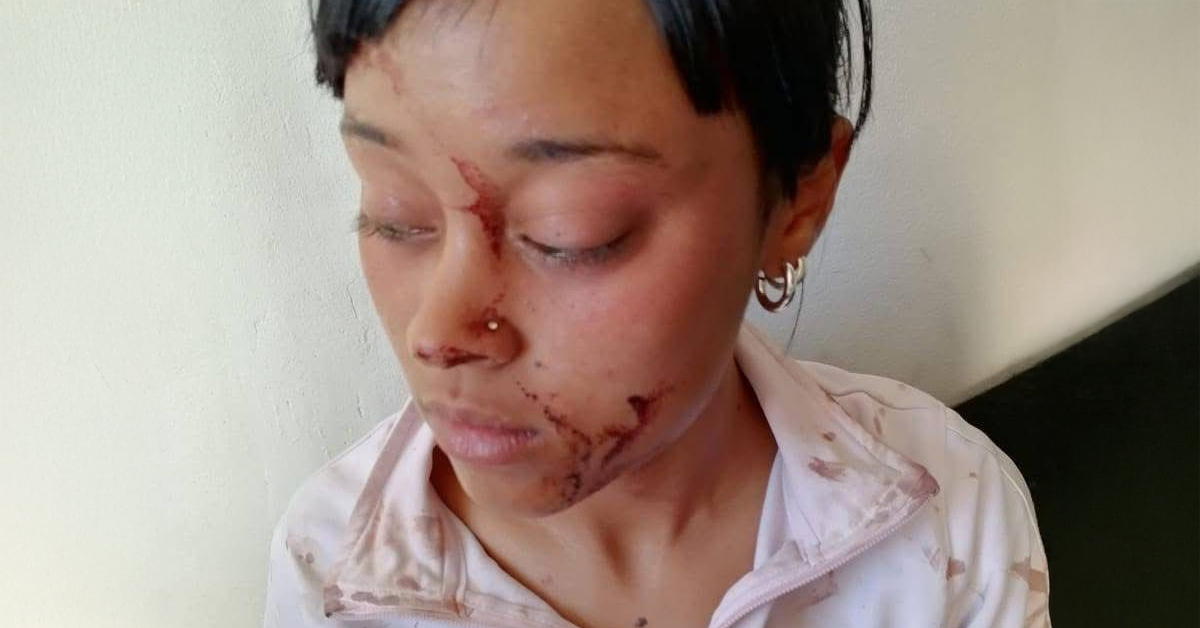
Action Society says these figures represent more than statistics on a page. They reflect communities where violence has become normalised, where women and children continue to live under constant threat, and where public confidence in policing continues to collapse.
“South Africans are exhausted by crime, but they are equally exhausted by a system that keeps promising improvement while conditions on the ground continue to worsen,” says Action Society spokesperson Juanita du Preez. “Communities are seeing the same patterns repeatedly: violent offenders returning to the streets, delayed investigations, overwhelmed detectives, and police stations without the basic resources needed to respond effectively.”
Action Society again criticised the continued failure to provide meaningful and transparent statistics specifically relating to violence against women and children. The organisation says government cannot continue to describe gender-based violence as a national crisis while failing to publish comprehensive and reliable data that allows the public to measure trends, identify hotspots, and evaluate interventions.
“GBV cannot be managed as a national crisis without reliable statistics,” says du Preez. “If government is serious about addressing violence against women and children, then transparency and measurable reporting cannot be optional. The absence of clear data creates the impression that these crimes are not being prioritised with the urgency they require.”
Action Society says the ongoing collapse in policing capacity is particularly visible at station level, where officers are expected to operate in some of the country’s most violent areas without adequate staffing, vehicles, forensic support, or victim support resources. A growing number of police stations reportedly do not even have rape kits available.
“What does it say about the prioritisation of violence against women and children when police stations serving high-risk communities do not even have rape kits available?” asks du Preez. “Communities are constantly told that GBV is a priority, yet the practical realities inside police stations tell a very different story.”
Action Society is again calling for the localisation of police management and resource allocation. The organisation says policing decisions cannot continue to be managed through an overly centralised system that fails to respond to the realities of individual communities.
“The current system is failing,” says du Preez. “Communities facing the highest levels of violent crime are often the very communities dealing with severe staff shortages, broken infrastructure, vehicle shortages, and inadequate victim support services. We need local response, local control, and funding that reflects the actual needs of communities on the ground. Crime cannot be managed effectively from a distance.”
Action Society says communities are increasingly being forced to fill the gaps left by a failing system through neighbourhood watches, private security, civil society initiatives, and community safety structures. While these efforts remain important, the organisation warns that they cannot replace a properly functioning criminal justice system.
“People deserve more than survival strategies,” says du Preez. “They deserve a state capable of protecting them.”
Soundbite: