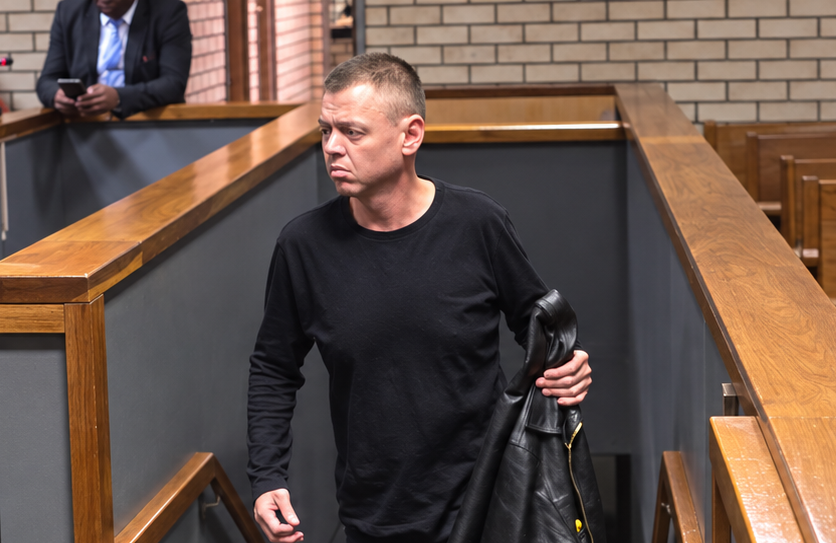
Action Society welcomes the Western Cape High Court’s dismissal of the application for leave to appeal the convictions relating to the rape, sexual assault and murder of eight-year-old Daniel Jamneck, as well as the rape of Caren Brown.
The convicted man was sentenced to life imprisonment for Daniel’s rape, life imprisonment for his murder and eight years’ imprisonment for sexually assaulting him. He also received ten years’ imprisonment for the rape of Caren Brown in 2005. The sentences are being served concurrently.
The High Court found no rational basis to conclude that an appeal would have reasonable prospects of success. It reaffirmed that the absence of DNA evidence did not negate the evidence proving beyond a reasonable doubt that Daniel had been raped, sexually assaulted and strangled.
“For Daniel’s family, this decision means that the convictions for the horrific crimes committed against their eight-year-old boy remain firmly in place,” says Juanita du Preez, national spokesperson for Action Society.
“The family has already endured an extraordinarily painful criminal process. Every further court proceeding forces them to revisit trauma they are desperately trying to learn to live with. We hope this decision gives Maria and her family some space to breathe, to focus on healing and to remember Daniel for the beautiful little boy he was, rather than continually having to return to the circumstances of his death.”
Action Society emphasises, however, that the case is not finished.
The convictions and sentences hold Daniel’s killer accountable for the crimes he committed. They do not answer the serious questions about how a man who had previously raped Caren Brown was able to remain in society and ultimately gain access to a child.
Action Society is assisting Daniel’s family in pursuing these questions and determining where accountability may lie for the failures that preceded his murder.
“Daniel cannot be brought back. The very least we owe him now is to establish whether his death could have been prevented and to ensure that any failures that allowed this to happen are never repeated,” says Du Preez.
The convicted man is not named in this statement to protect the identity of a vulnerable minor witness who could be linked to him.
Soundbite: