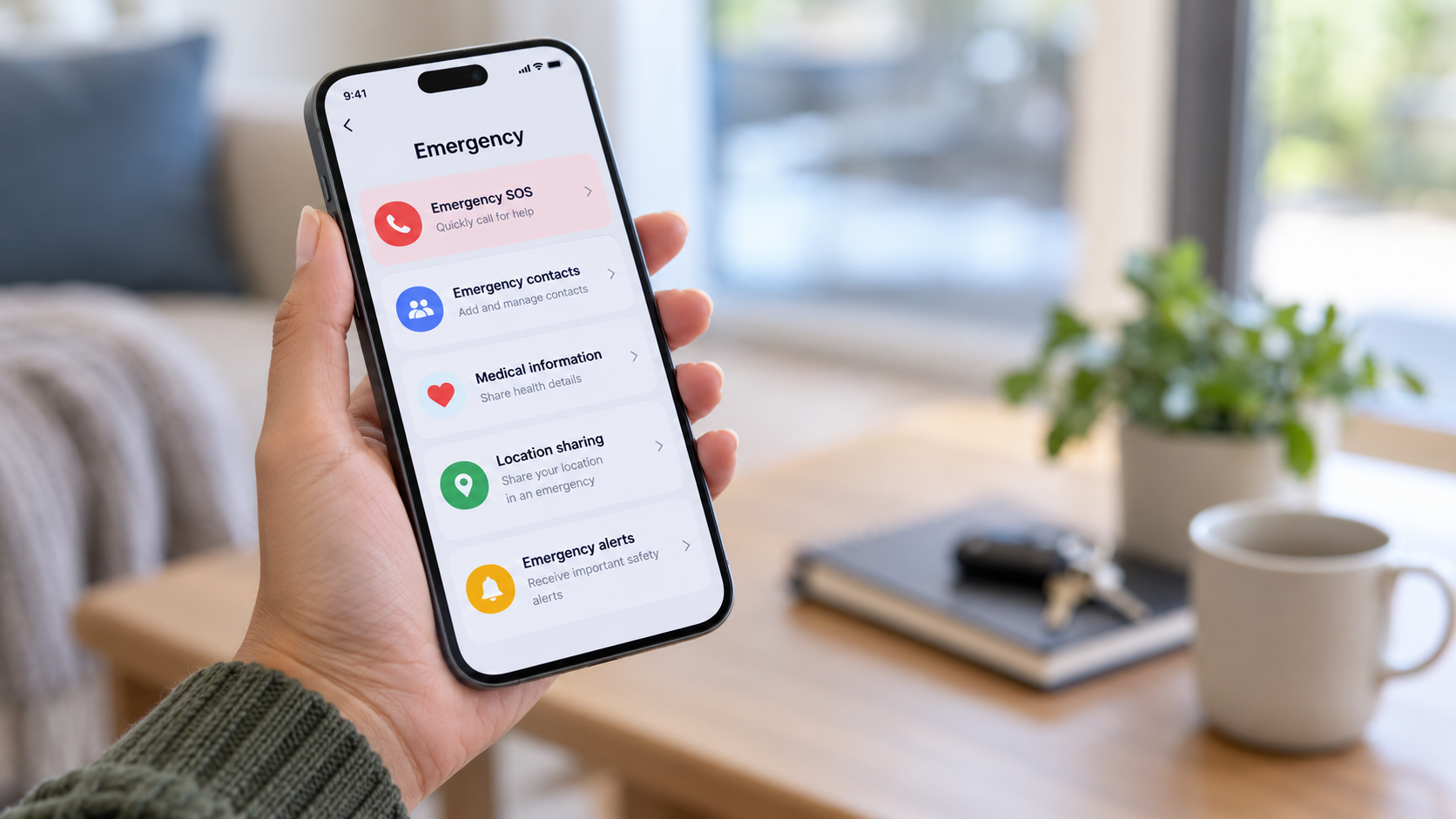
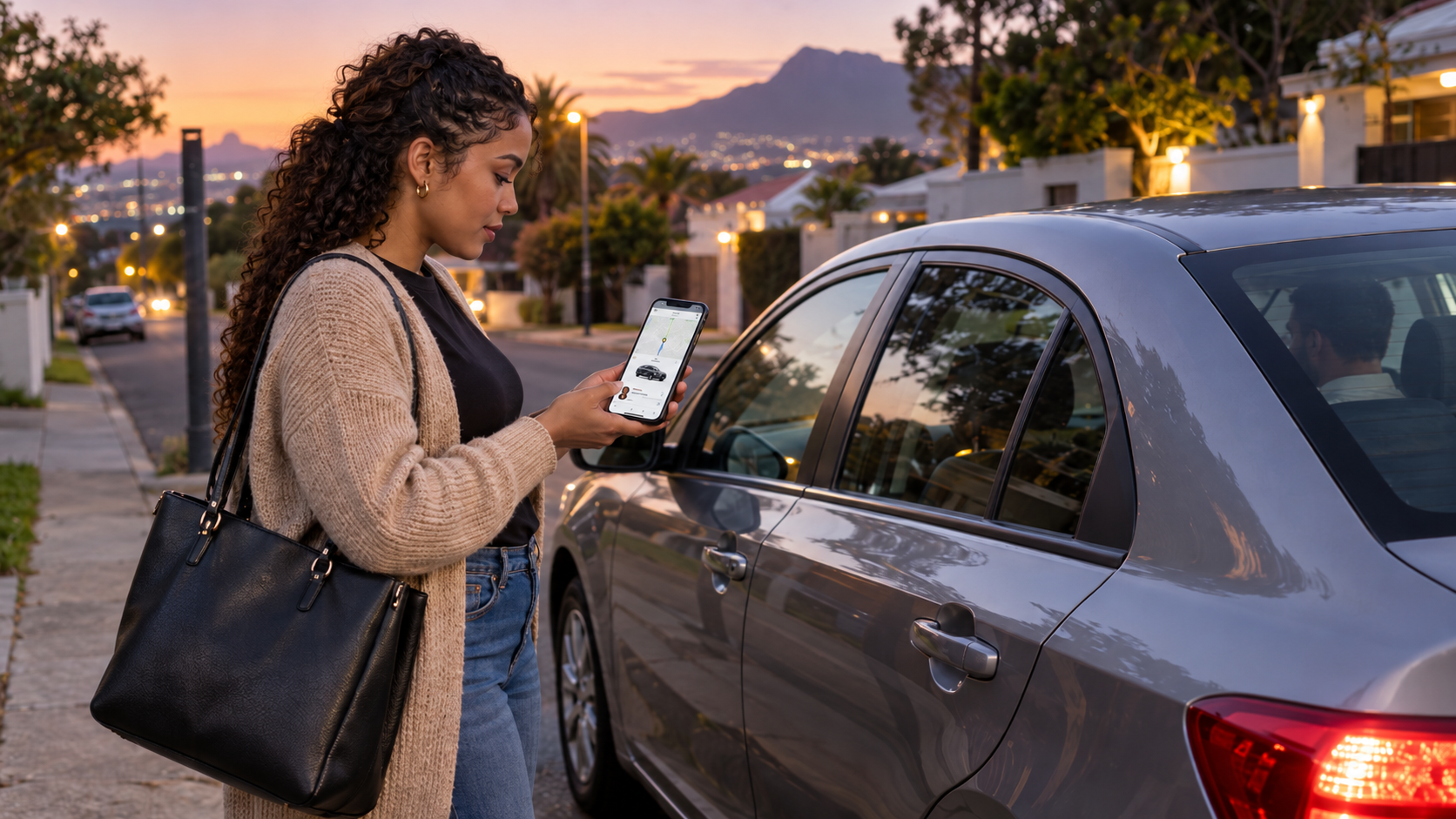
“Let me know when you’re home” is useful only when both people know when to expect the message and what to do if it never arrives.
A simple check-in plan gives someone enough information to act if you need help.
Share the useful details
Depending on the situation, tell a trusted person:
- where you are going;
- how you are travelling;
- who you are meeting;
- your general route;
- when you expect to arrive or return; and
- when they should become concerned.
If you are using an e-hailing service, share the trip details through the app where possible.
You do not need to publish your movements on social media. Share them directly with someone you trust.
Agree on what happens next
Decide beforehand what the person should do if you miss the check-in.
For example:
- Call or message you.
- Try again after an agreed period.
- Contact the person or place you were visiting.
- Check your shared location, if enabled.
- Contact your security provider, community safety network or the police if there is reason for concern.
A vague “phone me if you need anything” places all the responsibility on the person who may already be in danger. A clear plan tells both people what to do.
Update the plan
If you change your route or expect to be late, send a short message. Otherwise, your contact may either worry unnecessarily or become accustomed to missed check-ins.
Choose someone who is likely to notice, respond and follow through.
A check-in cannot prevent an attack. It can shorten the time before someone realises that you may need help.