The newly released crime statistics for Q1 and Q2 of 2025/26 show once again that the fundamentals of policing in South Africa are not working. Action Society says no national disaster declaration, awareness campaign or public statement will fix this crisis unless the government restores basic capacity at the ground level. The organisation warned that the country does not need new slogans but working systems, trained officers and functioning forensic services.
The publication of these statistics was repeatedly postponed, most likely due to the corruption scandal and investigations that disrupted leadership and administrative processes within SAPS. Action Society says the delays have further eroded public confidence and underscore the need for functional, transparent systems that can deliver accurate data without interference or instability.
Across both quarters, the pattern remains unchanged: violent crime remains exceptionally high, deterrence remains low, and there is still no evidence of improvement in the state’s ability to respond to crimes against women and children.
Q1 2025/26
During this quarter, murders reached 5 770, an average of 64 people killed every day. Attempted murder reached 6 401 cases, which means 71 people were targeted daily. A total of 37 569 people were assaulted with the intent to inflict grievous bodily harm (Assault GBH), averaging 417 such assaults per day. Police recorded 9 233 rapes for this period, amounting to 103 women raped each day.
Q2 2025/26
In the second quarter of the new financial year, murders totalled 5 794, putting the daily average at 64 lives lost. Attempted murder cases remained extremely high at 7 255, equal to 81 per day. Assault GBH reached 41 978 cases over the quarter, meaning 466 people were violently attacked each day. Rape figures remained deeply troubling, with 10 154 rapes reported, translating to 113 women raped per day.
Unfortunately, as from quarter four of the previous financial year (2024/25), which was January to March 2025, there was no breakdown of how women and children were affected by these crimes, even though repeated calls had been made for it to be reflected in crime statistics.
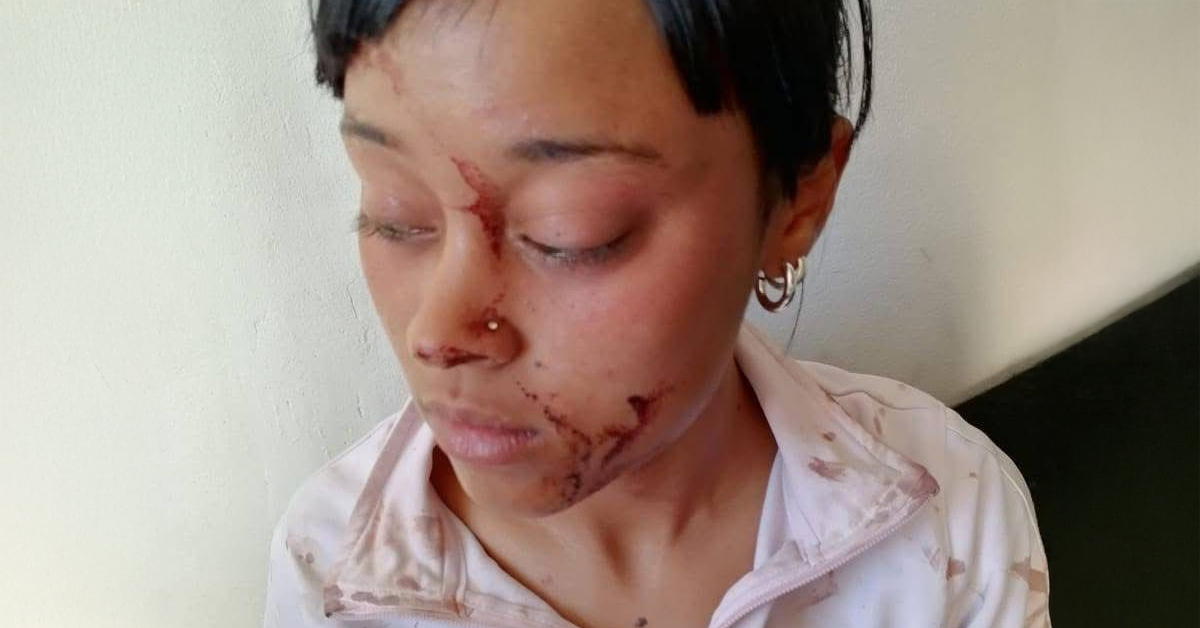
These numbers represent the women and children Action Society works with every day. Behind every statistic is a family waiting for DNA results, a mother trying to navigate a broken justice system or a child living in fear because an offender was released due to investigative failures. The organisation says these lived realities should drive the urgency for reform.
Action Society spokesperson Juanita du Preez says the statistics reflect a country that urgently needs functional, practical and properly resourced policing and justice structures. “These numbers have painted the same picture year after year. Declaring a national disaster does not build capacity. It does not deploy detectives. It does not fix forensics. South Africa needs the basics to work. Without implementation on the ground level, we will continue to fail women and children.”
Du Preez added that releasing these figures during the annual 16 Days of Activism should force the government to stop relying on awareness campaigns and adopt real operational reforms. “South Africans do not need more slogans. We need working systems, trained officers, functioning laboratories and accountability. Until that happens, the crisis will continue.”
Action Society says the national disaster declaration will remain meaningless unless SAPS leadership, provincial commissioners and the Minister of Police are held directly accountable for measurable progress. The organisation also calls on Parliament’s Police Portfolio Committee to enforce timelines and demand weekly reporting on forensic backlogs, capacity within the Family Violence, Child Protection and Sexual Offences units, and detective caseloads.
Action Society again highlights the urgent reform solutions outlined in its latest report on violence against children:
- A functional integrated case management system for child protection to prevent children from being lost in administrative gaps.
- Expansion and resourcing of specialised Family Violence, Child Protection and Sexual Offences units with trained detectives and reliable support structures.
- Fast tracking of forensic processing and immediate elimination of DNA and toxicology backlogs.
- Mandatory early intervention programmes for at-risk children, including school-based safety systems and community support structures.
- Stronger community-centred safety partnerships between civil society, neighbourhood groups, private security and SAPS.
- Effective oversight of repeat offenders, including strengthened parole monitoring and tighter bail accountability.
Action Society will continue to monitor the implementation of these reforms and will report publicly on any failures, delays, or regressions within SAPS and related structures.
SOUNDBITE: