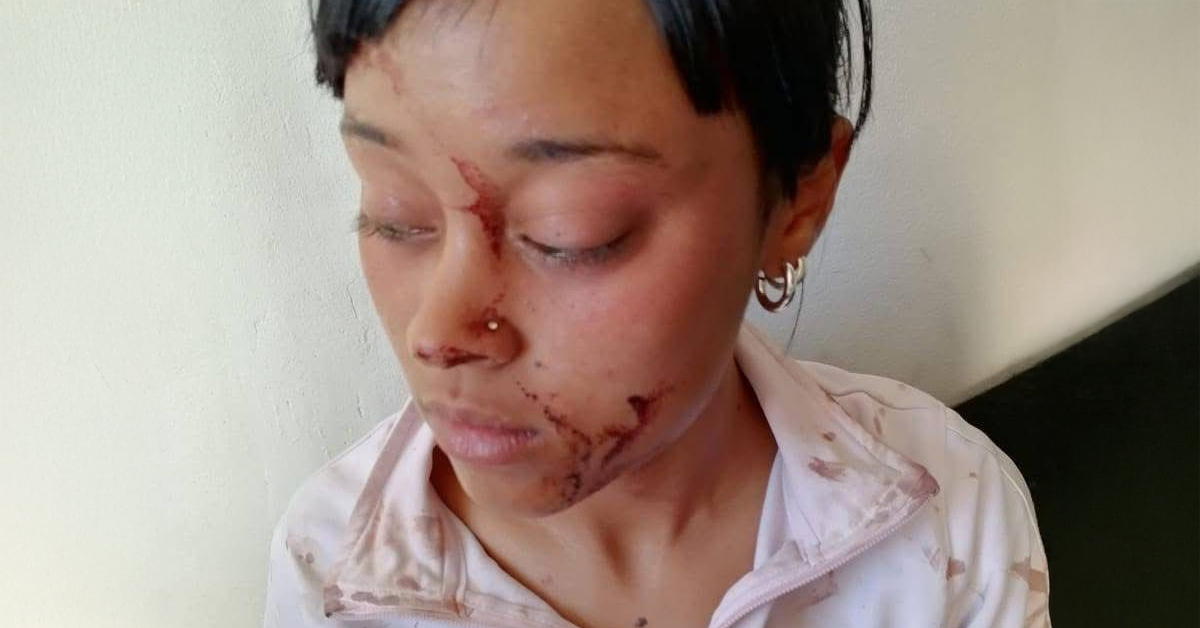
With 175 500 DNA entries exceeding prescribed timelines, Action Society warns that forensic delays are undermining rape, murder and child abuse cases across South Africa.
Action Society warns that South Africa’s forensic DNA crisis has evolved from an administrative failure into a full-scale justice emergency that is undermining criminal investigations, delaying prosecutions, weakening court cases and prolonging the suffering of victims and their families.
Recent oversight findings by Parliament and the National Forensics Oversight and Ethics Board reveal a forensic system that is failing to meet even the most basic statutory requirements despite repeated assurances that the backlog is being managed.
“The DNA backlog is not an administrative inconvenience. It is a justice failure with real victims,” says Juanita du Preez, National Spokesperson for Action Society.
“Every delayed DNA result represents a rape victim waiting for answers, a child abuse case waiting for prosecution, a murder investigation waiting for evidence, or a family waiting to bury a loved one whose remains cannot yet be identified.”
The DNA Board’s own annual report exposes the scale of the crisis.
- Only 3.5% of buccal DNA samples were processed within the legislated 30-day period. In other words, 96.5% of samples exceeded the legal deadline.
- The Board further reported that only 8.88% of routine DNA exhibits were completed within the required 35-day timeframe, while only 35.98% of non-routine cases and 24.03% of DNA intelligence cases met their respective targets. Performance across all case categories remained significantly below target, with the Board citing systemic capacity constraints, persistent backlogs and inefficiencies in turnaround times requiring urgent intervention.
- At the end of the reporting period, approximately 175 500 DNA entries had exceeded prescribed processing timelines, creating a backlog that continues to grow despite years of promises, plans and interventions. The Board itself warned that these accumulating delays negatively impact the effectiveness of the National Forensic DNA Database and the rapid identification of offenders.
These failures have consequences far beyond laboratory performance reports.
Parliament has already linked DNA delays to low conviction rates, withdrawn cases, statutory rape investigations, gender-based violence matters and broader weaknesses in the criminal justice system. The Portfolio Committee on Police specifically highlighted the withdrawal of 1 853 statutory rape cases between 2020/21 and 2024/25 and expressed concern about the impact of forensic delays on justice outcomes.
The crisis is also affecting families of missing persons and unidentified deceased individuals. Delays in DNA processing mean some families are forced to wait months or even years for confirmation of a loved one’s identity before they can obtain closure and proceed with burial arrangements.
Despite government claims that the situation is being managed through infrastructure upgrades, digitisation projects and stakeholder coordination structures, Parliament has now formally called on the Minister of Police and the DNA Board to submit a comprehensive DNA turnaround strategy with measurable targets for reducing backlogs, improving turnaround times and strengthening interdepartmental coordination.
“If Parliament is now demanding a turnaround strategy, it is an acknowledgement that the current approach is not working,” says Du Preez.
“South Africans do not need another committee, another pilot project or another promise. They need a forensic system that delivers evidence while cases are still active and before victims lose faith in the justice system.”
Action Society notes that the DNA Board identified several contributing factors to the crisis, including equipment failures, infrastructure problems, electricity and water disruptions, delays in relocating forensic facilities and persistent staffing constraints. The Board has also recommended strengthening recruitment processes and addressing both human resource and funding shortfalls.
The South African Police Service has further acknowledged dozens of vacant funded forensic analyst and technical posts within the Biology Section, while Parliament continues to raise concerns about the impact of these vacancies on performance.
Action Society believes South Africa cannot continue relying solely on slow state-driven solutions while violent crime, rape and child abuse continue to devastate communities.
The organisation calls for:
- A public and measurable national DNA turnaround plan with monthly reporting.
- Immediate filling of all vacant forensic analyst and technical posts.
- Guaranteed availability of rape kits, buccal kits and laboratory consumables.
- Independent monthly publication of laboratory performance by province and laboratory.
- Prioritisation of gender-based violence, child victim and murder investigations.
- Public-private partnerships to increase forensic capacity, infrastructure, logistics and specialised testing.
- Greater accountability between police, prosecutors and courts so forensic failures are identified before cases collapse.
- Decentralised policing and stronger local accountability mechanisms to ensure communities can monitor justice system performance.
“South Africa does not have a DNA problem. It has an accountability problem,” concludes Du Preez.
“The technology exists. The expertise exists. The need is urgent. What is missing is the political will to treat this crisis with the seriousness it deserves. Every day that this backlog continues, victims pay the price. The DNA backlog must now be treated as a national justice emergency.”
Soundbite: