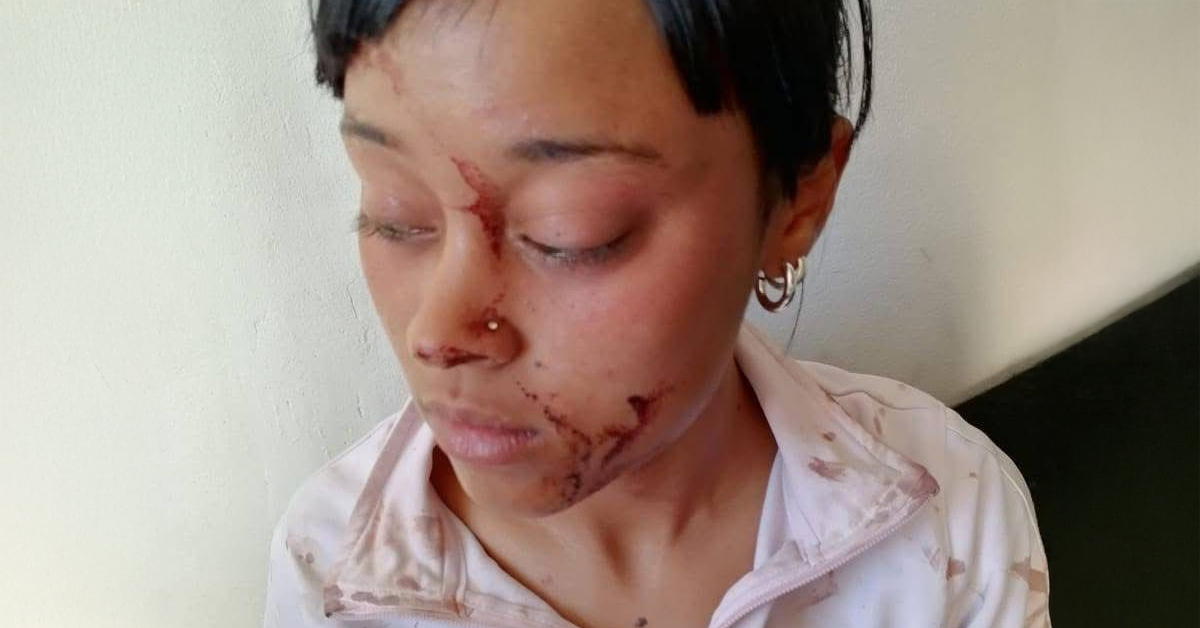
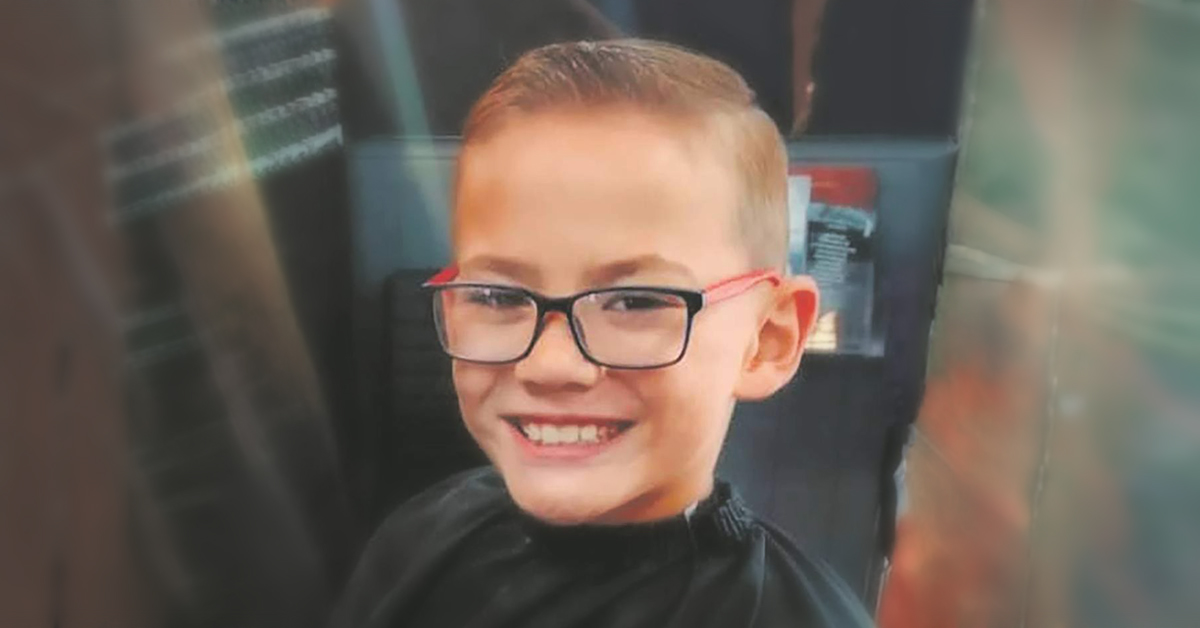
Action Society has formally received a mandate from the family of an eight-year-old girl, whom we will refer to as Fleur, to oversee and monitor the progress of a sexual abuse case that has become entangled in delays, missteps, and a breakdown in communication between authorities.
The case, which involves allegations of grooming and sexual abuse by Fleur’s mother and her partner, has been ongoing since 2024. Despite the seriousness of the allegations, the matter has yet to reach a prosecutorial decision, with the docket moving between multiple units and provinces without clear direction or accountability.
“This case is not an isolated failure,” says Juanita du Preez, national spokesperson for Action Society. “Our own reporting shows that child sexual abuse in South Africa is both widespread and persistently under-addressed. When cases like this are allowed to stall, it sends a message that even when victims come forward, the system may still fail to act.”
According to the victim’s father, the case was initially mishandled when it was reportedly closed prematurely by an investigating officer, despite available evidence. Although the matter was later reopened and further investigated by Family Violence, Child Protection and Sexual Offences (FCS) units, progress has since stalled due to issues in the chain of evidence and a lack of coordination between the South African Police Service (SAPS), the Department of Social Development, and prosecutorial authorities.
Action Society has, since receiving the mandate, conducted extensive follow-ups with relevant role players, including SAPS and the National Prosecuting Authority (NPA), to establish the current status of the docket and to determine why no prosecutorial decision has been made.
Correspondence from the NPA in February indicated that no information could be shared due to internal protocols, with the family referred back to local authorities for answers. At the same time, the victim’s father was informed that, despite an apparent intention to prosecute, further evidence was required due to a breakdown in the handling of the case file between different units.
This has resulted in months of inaction.
In recent weeks, Action Society submitted formal correspondence requesting clarity on the location of the docket, whether a decision has been made by the prosecution, and, if not, the reasons for the delay and expected timelines. Although a deadline for response was set for 21 April 2026, no reply has been received to date.
The impact on the victim has been significant. The child remains deeply traumatised, and the prolonged delays and uncertainty have only compounded the harm experienced by both the victim and her family.
“This is what systemic failure looks like in practice,” du Preez adds. “A child has spoken. A family has followed every process. Yet the case drifts between offices, unanswered and unresolved. We cannot accept a system where accountability depends on persistence rather than principle.”
Action Society will continue to actively monitor the case and pursue answers from authorities until clear progress is made.
The organisation calls on SAPS and the NPA to urgently clarify the status of the case and to ensure that all outstanding processes are handled without further delay.
Soundbite: