The latest crime statistics show that policing capacity must be deployed where it is needed most. Action Society says the Western Cape’s results provide growing evidence that targeted, locally informed policing can reduce serious violent crime.
The SAPS crime statistics for the first quarter of the 2026/27 financial year, covering 1 April to 30 June 2026, show that 5 427 people were murdered, averaging 60 murders per day. Attempted murders reached 6 958, or 77 per day, while 38 589 cases of assault with intent to cause grievous bodily harm (assault GBH) were recorded, averaging 429 per day.
Police also recorded 11 532 sexual offences, amounting to 128 per day. These included 9 201 reported rapes, an average of 102 per day.
Compared with the same quarter of the previous financial year, murder decreased by 5,9%, while attempted murder increased by 8,7%. Rape decreased by 0,35% year on year, sexual offences decreased by 0,84%, and assault GBH increased by 2,72%.
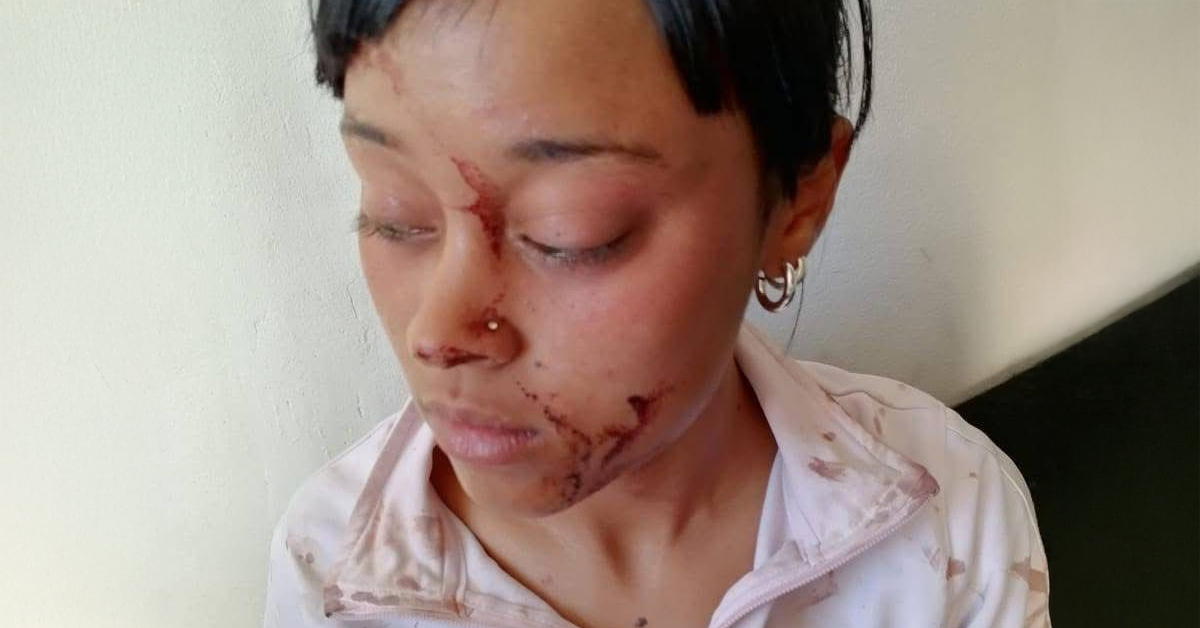
SAPS has once again failed to publish separate, reliable figures showing how many women and children were murdered, survived attempted murder or were victims of assault GBH. Action Society has repeatedly called for these statistics to be reinstated. Government cannot credibly claim to prioritise violence against women and children while withholding the information required to measure the crisis and evaluate its response.
“These national figures remain intolerably high, but treating every province, municipality and police station as if they face the same crime threat will not solve the crisis. Crime is concentrated in identifiable areas. Police capacity must be concentrated there too,” says Action Society spokesperson Juanita du Preez.
Compared with the corresponding period of the previous year, the Western Cape recorded a 6,7% decrease in murder and a 6,3% decrease in contact crime. Gang-related murders and attempted murders decreased by 16,8% year on year.
Significantly, all six police stations supported by the Law Enforcement Advancement Plan (LEAP) recorded fewer murders than during the corresponding period in 2025: Delft, Gugulethu, Khayelitsha, Mitchells Plain, Nyanga and Philippi East. Together, these stations recorded 56 fewer murders.
The 17 Operation Prosper stations, which accounted for 66,7% of the Western Cape’s gang-related murders and attempted murders, recorded a combined year-on-year decrease of 17,8% in these crimes.
“The Western Cape is still facing an extreme murder and gang violence crisis, but these results show what becomes possible when policing is directed by local crime patterns,” says Du Preez. “All six LEAP stations recorded fewer murders. That is a result worth studying, strengthening and expanding.”
Action Society says localised policing allows authorities to identify changing hotspots and direct officers, detectives, crime intelligence, vehicles and investigative support accordingly. Capacity must also be continually reassessed as violence shifts between communities.
“Crime happens locally, victims live locally and criminal networks operate locally. Yet the power to direct policing capacity remains concentrated far from the communities carrying the heaviest burden,” says Du Preez. “Capacity should follow crime. Authority should sit close enough to the problem for those responsible to be held accountable for the results.”
Action Society calls for the greater localisation of policing and operational decision-making so that resources can be directed according to the needs of individual communities. Successful interventions should be strengthened and adapted for other high-crime communities across South Africa.
“Localised policing is not a quick fix, but the latest results indicate that it can make a measurable difference. South Africa cannot afford to ignore evidence that policing works better when decisions, resources and accountability are placed closer to the communities affected by crime,” concludes Du Preez.
Soundbite: