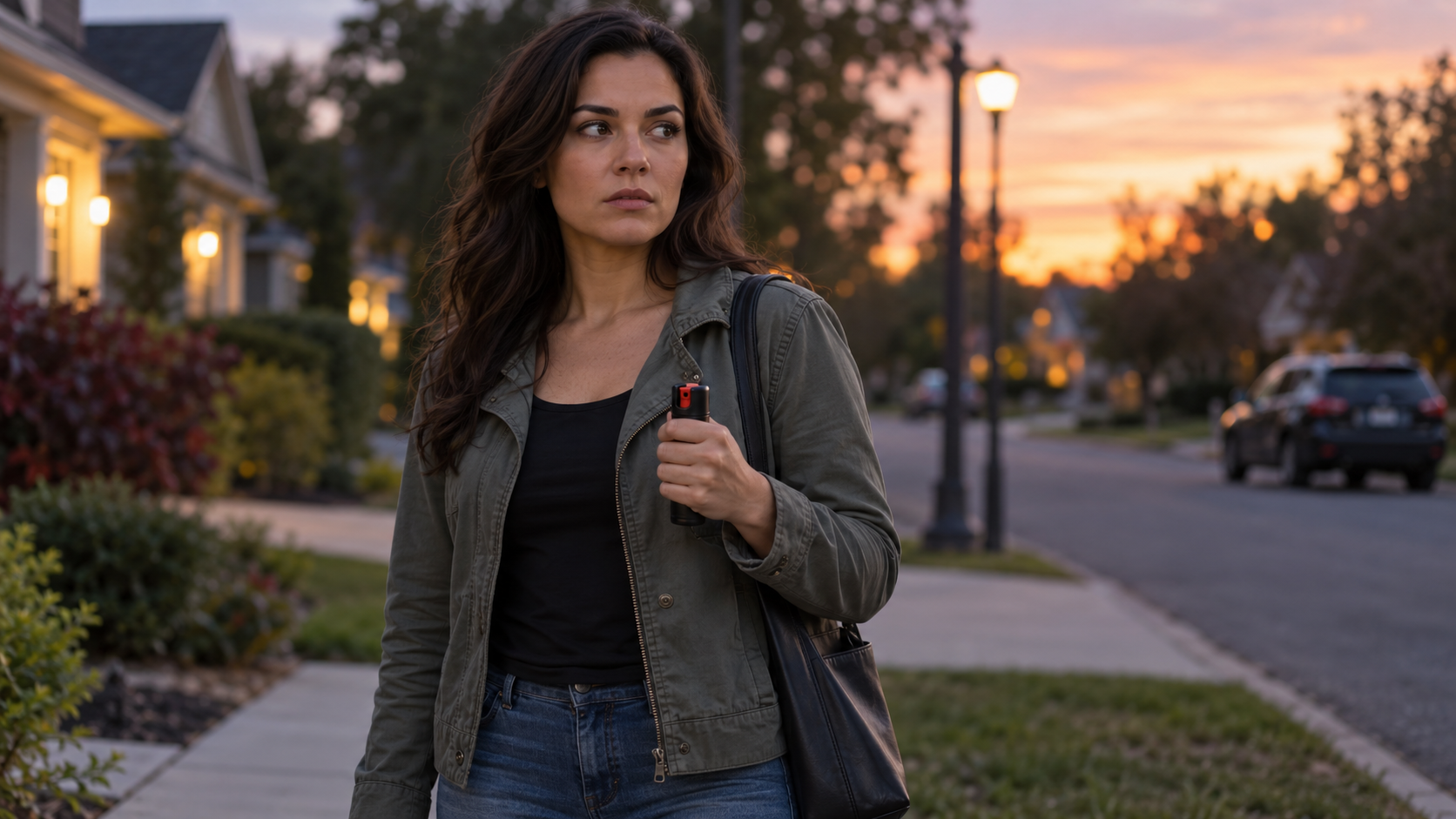
In a country where the siren of a police van is more often just a policeman skipping traffic than one racing to a crime scene, it is not the state but private security guards who most South Africans see patrolling their streets, responding to alarms, and standing watch outside our homes and in our communities. Quietly, and often without fanfare, the private security sector has become the real architecture of everyday safety—less a complement to public policing than its substitute, but faced with the daunting challenge of crime in a crime-riddled country. With more boots on the ground than the entire South African Police Service and Defence Force combined, this sprawling network of private security has become both a symptom of institutional failure and a lifeline for communities left to fend for themselves.
Yet, recent draft amendments to the Private Security Industry Regulation Act threaten to unravel this backup safety plan, proposing measures that could incapacitate private security firms and, by extension, jeopardise the safety of the very citizens they protect. These proposed regulations represent a misguided centralisation of authority, undermining decentralised safety structures, exacerbating vulnerabilities to intimate crimes such as gender-based violence (GBV), and tilting the balance of power in favour of armed gangs.
The Need and Reality of Decentralised Security
Decentralisation in security provision in South Africa is a necessity dictated by South Africa’s complex and varied crime landscape. The South African Police Service (SAPS), with approximately 182 126 employees, including both officers and administrative staff, translates to a police-to-population ratio of 1:413. In stark contrast, the ratio of active private security guards to citizens is approximately 1:106, highlighting the extensive reach and presence of private security.
This expansive presence allows private security firms to offer rapid response times and localised knowledge that are often beyond the reach of the centralised police force. By embedding themselves within communities, these firms provide security solutions that address specific local threats, fostering a sense of safety and trust that centralised structures struggle to achieve. To paraphrase Ghostbusters, if there is something wrong, in your neighbourhood, who are you going to call, your armed response or SAPS?
Problems with Draft Regulations
The draft regulations to the private security industry propose several measures that could severely restrict the operational capacity of private security firms. Notably, the prohibition on the use of semi-automatic rifles by tactical response teams is particularly concerning. In regions plagued by heavily armed gangs, such as the Western Cape, this restriction would leave security personnel dangerously outgunned.
The principle of “parity of arms” is a cornerstone of any effective crime-fighting strategy. Expecting tactical private security security teams to face automatic-rifle-wielding gangsters with pistols or shotguns is not just bad policy—it is a dereliction of duty. In countries with similar crime dynamics, such as Brazil or Mexico, security responses that lag behind criminal firepower are quickly rendered irrelevant. South Africa cannot afford that risk. The potential absence of parity in arms not only endangers the lives of security officers but also emboldens criminal elements, potentially leading to increased violence and lawlessness.
Furthermore, the ambiguous stipulations regarding ammunition—mandating only a “reasonable quantity” without clear definition of how many bullets “reasonable” entails—open the door to arbitrary enforcement and operational paralysis. Such vagueness undermines the ability of private security firms to prepare adequately for the threats they are tasked with neutralising.
Studies have shown and the experience of Action Society is that private security companies often serve as first responders to domestic violence incidents. For many women trapped in violent domestic situations, it is not a SAPS officer who arrives first—but a private security guard dispatched from a panic button or emergency call. These are not theoretical lives on a policy spreadsheet—they are real people, reliant on rapid response in moments of extreme vulnerability. Regulations that slow or compromise that response may not appear on crime statistics.
The Reality of Safety in South Africa
The reliance on private security is not a luxury but a reflection of the realities on the ground. With an estimated 2.7 million registered private security personnel—more than five times the number recorded in 2017, the industry’s exponential growth is a direct response to escalating crime rates and the public’s diminishing confidence in state institutions. With the SAPS, it’s less “who you gonna call?” and more “will they even come?”—and only one side of that equation still answers.
This burgeoning sector fills critical gaps left by an overstretched and under-resourced police service (and recently it has started filling other service delivery gaps like fire protection as well). The proposed regulations, rather than enhancing public safety, threaten to dismantle these supplementary structures, leaving communities vulnerable and stripping away layers of protection that have become integral to daily life.
Conclusion
While the intent behind regulating the private security industry is cloaked in the language of accountability and standardisation, the current draft regulations risk achieving the opposite. By centralising control and imposing impractical restrictions, the government undermines the very entities that have stepped in to uphold safety where public resources have fallen short.
When regulations make it harder for legitimate firms to operate, they don’t reduce demand for security—they drive it underground. Informal or unregulated actors step in, often with far less oversight or professionalism. In seeking to standardise, we risk destabilising the very industry that has become the unofficial backbone of our urban safety net.
The deadline for public comment is 25 April 2025. In a nation where apathy is often a luxury, now is not the time for silence. Whether you’re a security officer, a resident, a parent, or simply a South African concerned about safety, this is your chance to speak. Regulation should reflect reality—and right now, the reality is that private security protects more lives than we dare admit.
Post note:
Comments can be submitted via email to Regulations@psira.co.za